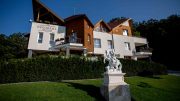
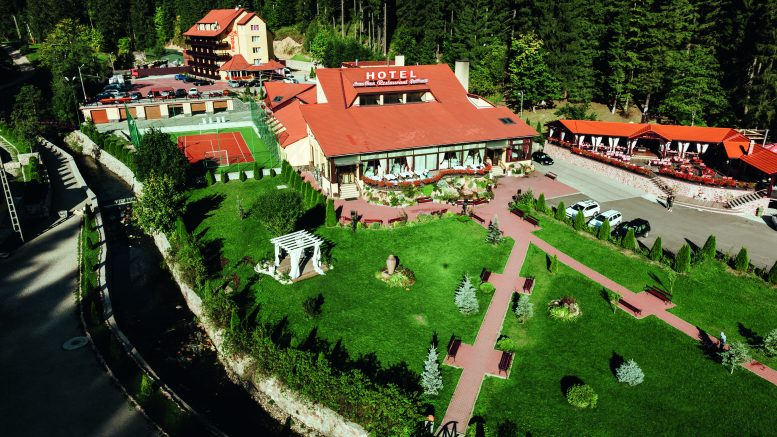
In the heart of Transylvania, in the embrace of the Harghita Mountains, where pine forests and rocks tell a story, the Gyilkos-tó (Red Lake) and the Békás-szoros – Bicaz Gorge offer special adventures. In the crystal clear lake, petrified pine trunks evoke the past, while the sky-high cliffs show the raw beauty of nature. The perfect base from which to explore all this is the Hotel and Restaurant Gyilkostó (Hotel & Restaurant Lacu Roşu), which promises a harmony of adventure and comfort.
In a corner of Transylvania of exceptional beauty, which evokes both the primeval power of nature and the silence of the soul, the Hotel and Restaurant Gyilkostó stands in the embrace of two natural wonders. The hotel is unique not only for its location, but also for the way it offers its guests comfort, harmony and active relaxation in the soft lap of nature. This makes it an ideal choice for families, couples and adventure seekers alike.
The warmth of home in the embrace of nature
Hotel and Restaurant Gyilkostó (Hotel & Restaurant Lacu Roşu), the gateway to the adventures of Harghita. From the four-star hotel, comfortable rooms with balconies overlook pine trees that plunge into the sky from the cliffs, while the fresh mountain air caresses you on its terrace. The restaurant invites you on a culinary voyage of discovery, with a menu combining traditional and modern gastronomy, featuring Transylvanian, Hungarian and international dishes made from fresh local ingredients from the surrounding forests, streams and farms. Thus, in the restaurant of the Hotel and Restaurant Gyilkostó, you can choose from a variety of traditional chorba, tasting the special flavours of traditional local soups. A worthy way to end an active day in nature.
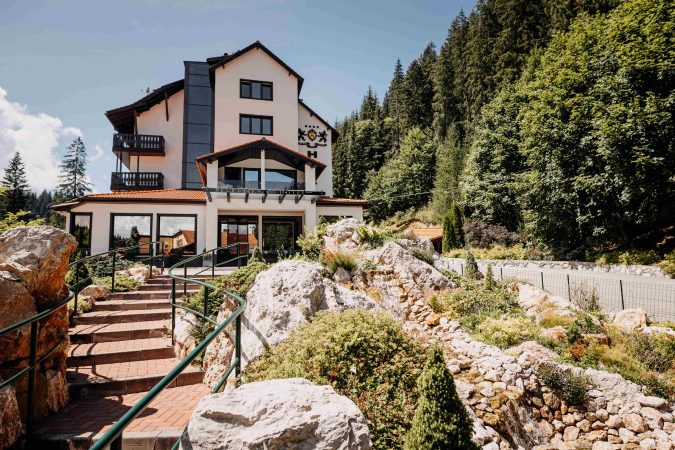
Gyilkostó Hotel and Restaurant
The rocky path that starts right next to the hotel leads to the Red Lake, to a glass viewing platform overlooking the grey-green waters of this unique natural formation. But you can also walk to the nearby Békás Gorge to admire the natural beauty of the sky-high cliffs. And walking the nature trail, you can discover the unique wildlife of the Red Lake and the surrounding area through nine stations, while getting on a boat and admiring the mysterious remains of the petrified forest rising from the water.
It’s no coincidence that the Hotel and Restaurant Gyilkostó, just 200 metres from the eponymous lake, is more than just a place to stay. It’s also a starting point for exploring the wonders of Harghita: whether it’s an easy stroll, an adrenaline-fuelled via ferrata adventure or a conquest of the rocky world of the Békás Gorge, everything is within reach here.
So let’s set off on a voyage of discovery!
The legend of Red Lake
Killer Lake was created in 1837 as a result of a massive landslide. But it takes its name from the tragic story of Eszter Fazekas. Legend has it that the beautiful Szekler girl cried out to the mountains when she was kidnapped by a rabble leader. Nature’s response was a devastating landslide that created the lake. If you look into the water in the sunshine, Esther’s grey-green eyes will come back to you.
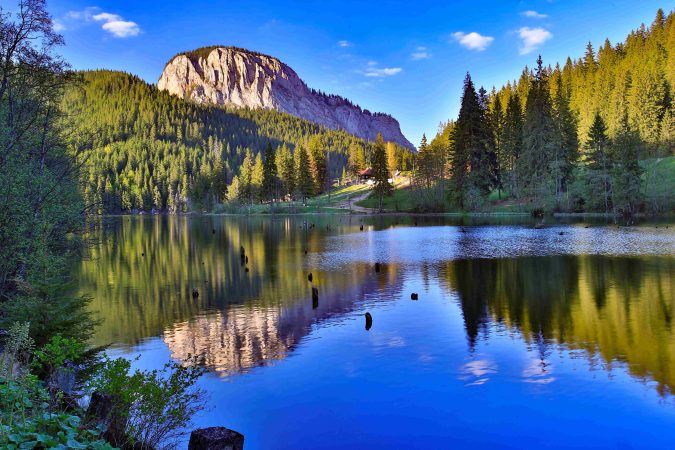
Fotó: László Dezső
Adrenalin on the Little Cohard
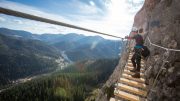
A short hike from the Hotel and Restaurant Gyilkostó takes you to the via ferrata route along the rock face of Kis-Cohárd, the Wild Ferenc memorial route. The 200-metre, C/B difficulty, reinforced path climbs 173 metres to the 1344-metre summit, where a rope bridge over a 160-metre-deep gorge awaits you.
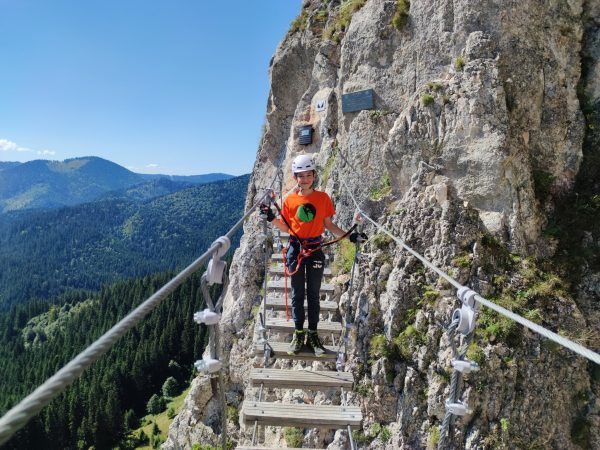
Fotó: facebook/Salvamont Multisalva Gheorgheni – Hegyimentő Szolgálat Gyergyószentmiklós
The ‘Gates of Hell’ in the Peace Strait
1.5 kilometres from the Gyilkostó Hotel is the Békás Gorge, where you can walk between the ‘Gates of Hell’ and the rock formations of the Oltárkő. The rest areas and viewpoints of the gorge are perfect for a coffee or picnic, while the gurgling of the stream and the monumentality of the rocks are stunning.
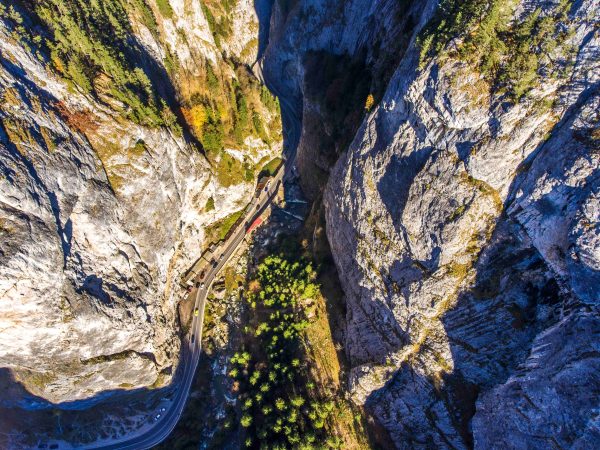
Fotó: László Dezső
The wonderful Csorba soup
Chorba is one of Transylvania’s most popular soups, with a sour and tangy flavour, traditionally flavoured with vegetables, meat and vinegar or bran. The name comes from the Romanian word ciorbă, but it has become an integral part of Szekler cuisine.
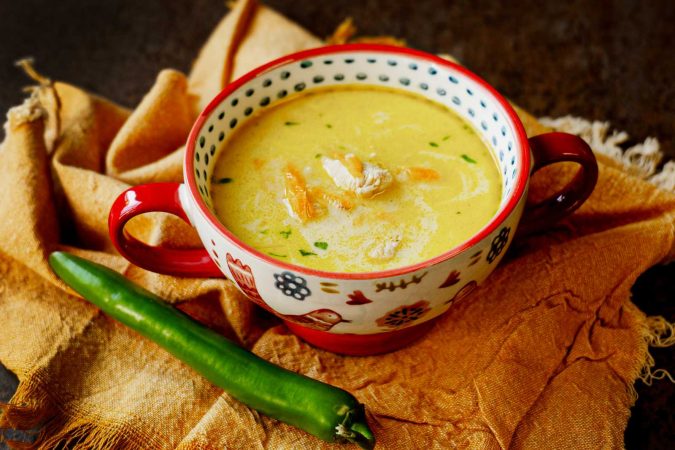
The „Radóci” Csorba soup Fotó:maszol.ro
Zoltán M. Érsek